Every wall is a plan waiting to happen.
That One Thing
A five-dollar drone can reveal the exact patch of floor your teammate needs to open from below.
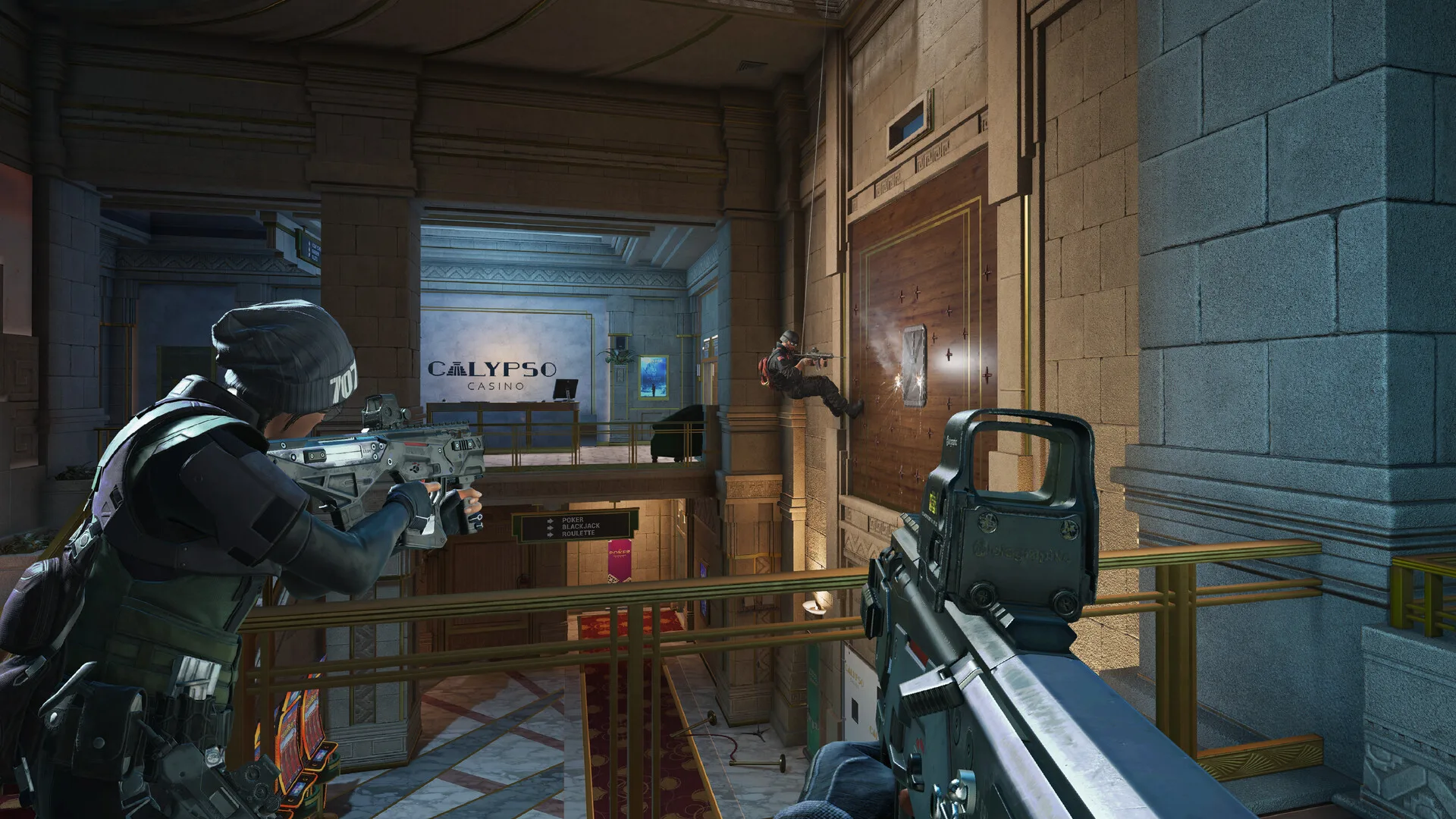
Tom Clancy’s Rainbow Six Siege isn't just a tactical shooter, it’s a high-stakes, digital game of chess played with high-caliber explosives and zero second chances. At its core, Siege pits two five-player teams against each other in an intense tug-of-war over spatial control and information within fully destructible arenas. Attackers spend the opening seconds driving scout drones through floor vents and under barricades, desperately mapping out enemy positions and searching for the objective. Meanwhile, Defenders reinforce drywall with steel plates, deploy barbed wire, plant barbed traps, and completely reshape the environment to turn a simple room into an impenetrable fortress. When the action phase starts, the architecture itself becomes a fluid resource. A single breach charge can carve open a brand-new line of sight through a floorboard or ceiling, turning every doorway, wall, and hatch into a potential death trap long before the first shot is even fired.
What elevates Siege above standard military shooters is its diverse roster of Operators. Rather than locking players into rigid power tiers or simple class archetypes, every Operator brings a specialized gadget that fundamentally warps how a round plays out. A hard-breacher like Thermite opens massive holes in reinforced walls, while a jammer like Mute neutralizes electronic intel. Medics keep teammates in the fight, and camera specialists grant vital sightlines. Victory demands synergy: gunfights are brutally lethal, headshots are an instant kill, and spray-and-pray tactics will leave you staring at a spectator screen in seconds. Precise audio cues, impeccable timing, and coordinated utility supersede personal kill counts every single time. Because of this, the learning curve isn't just steep—it’s a sheer vertical cliff. Maps are dense, multi-layered labyrinths built on years of evolved angles, pixel-peeks, and destruction mechanics that reward deep institutional knowledge over raw twitch reflexes.
Ubisoft’s current free-access model lets newcomers dive straight into the action via Quick Match and Unranked modes, providing access to a foundational lineup of Operators. While unlocking the full Operator ecosystem and jumping into Ranked play requires ongoing progression, eligibility thresholds, or deliberate unlocks—complemented by a steady stream of battle passes and cosmetics in the store, the free offerings aren't a watered-down demo. You are playing the real, unfiltered tactical game from minute one. It’s not all smooth sailing, though; solo queuing can feel deeply unforgiving without a communicative squad, and community issues like toxicity and cheating still pop up during match-ups. Lastly, a quick technical note for PC players: Ubisoft Connect integration is mandatory regardless of where you acquire the game, so skipping extra launcher bloat and launching directly through Ubisoft is the cleanest path to the breach.
We picked Rainbow Six Siege because destruction is inseparable from teamwork. A hole is a sightline, an escape route or a lie told to the other team. Its free-access boundaries and difficult community need honest explanation, but no other mainstream shooter makes architectural knowledge this important.
Great if you want
Look elsewhere if
Checking…
Minimum
Windows 10/11 64-bit · Ryzen 3 3100 or Core i3-8100 · 8 GB RAM · GTX 1650 4 GB, RX 5500 XT 4 GB or Arc A380 6 GB · DirectX 12 · 65 GB SSD.
Recommended
Windows 11 · Ryzen 5 3600 or Core i5-10400 · 16 GB RAM · RTX 2060, RX 6600 or Arc A750 · DirectX 12 · 65 GB SSD.
Its current free-access version includes Quick Match and Unranked with a selection of operators. Ranked and broader operator access have additional requirements.
No. Ubisoft Connect is required for the PC version, so PlayBound goes directly through Ubisoft.
Destructible maps create many sightlines, and experienced players combine sound, cameras, drones and operator gadgets with extensive map knowledge.
The minimum targets 1080p at 60 FPS with 8 GB RAM, a GTX 1650-class GPU and 65 GB on an SSD.
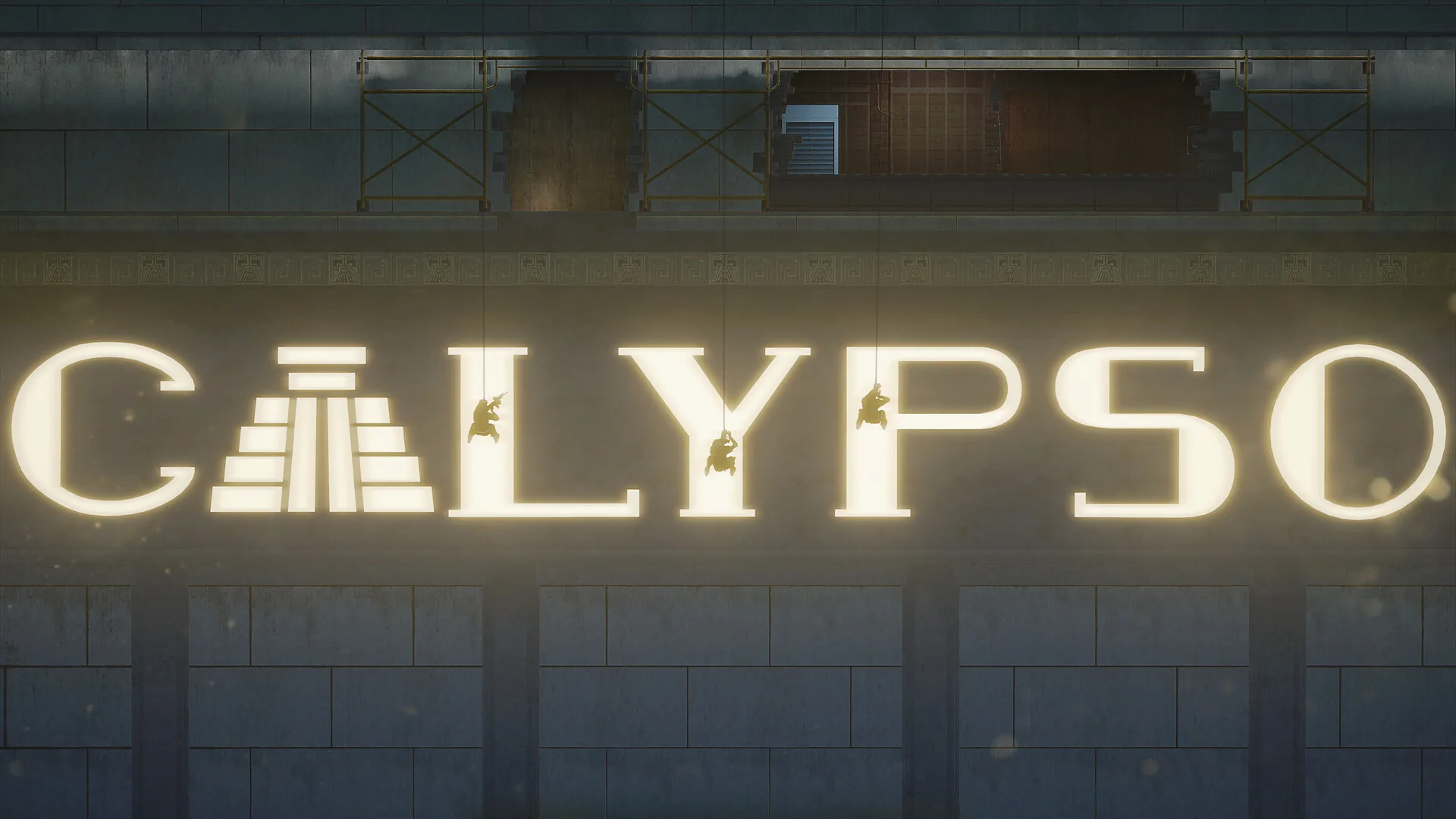
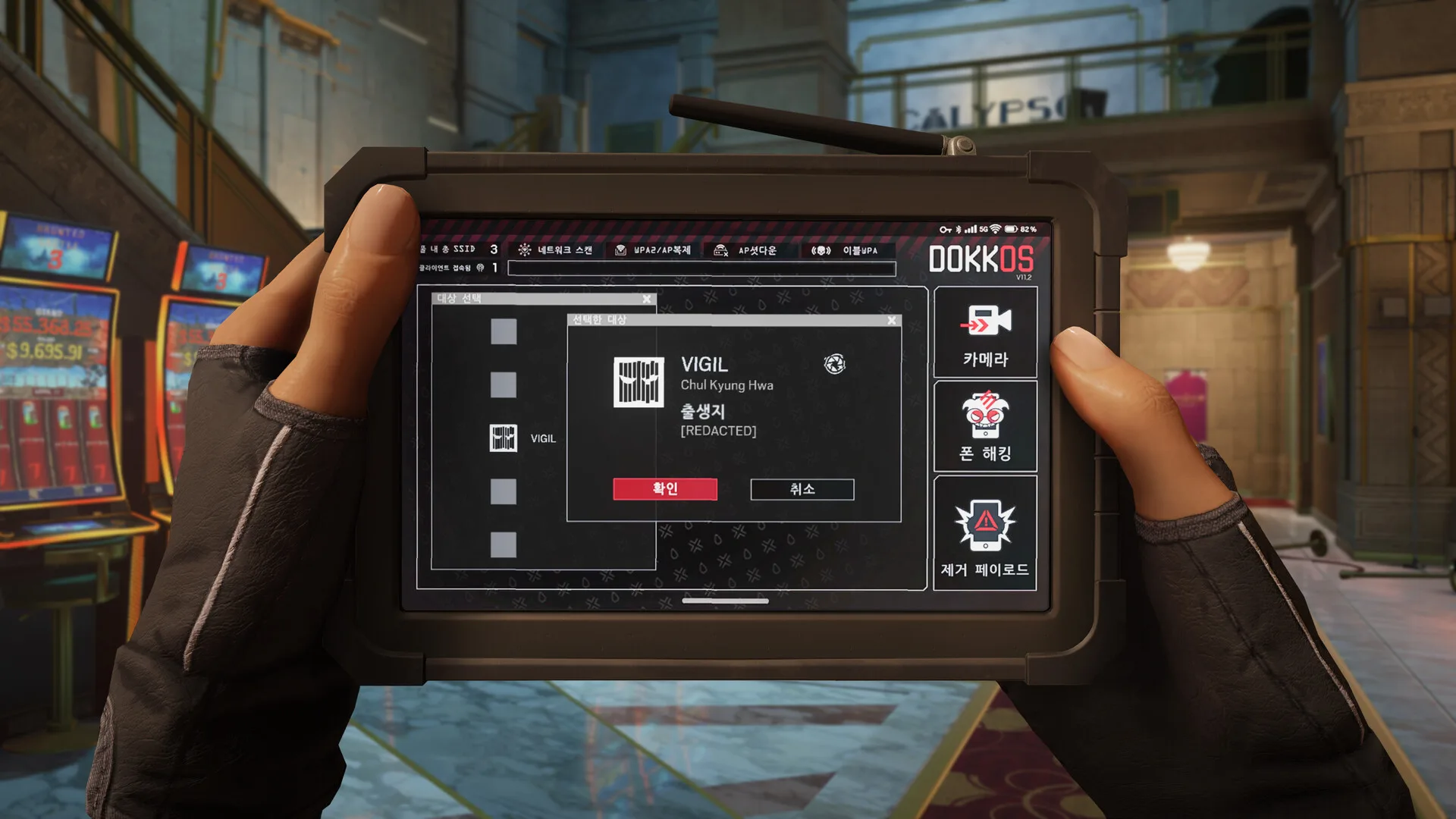
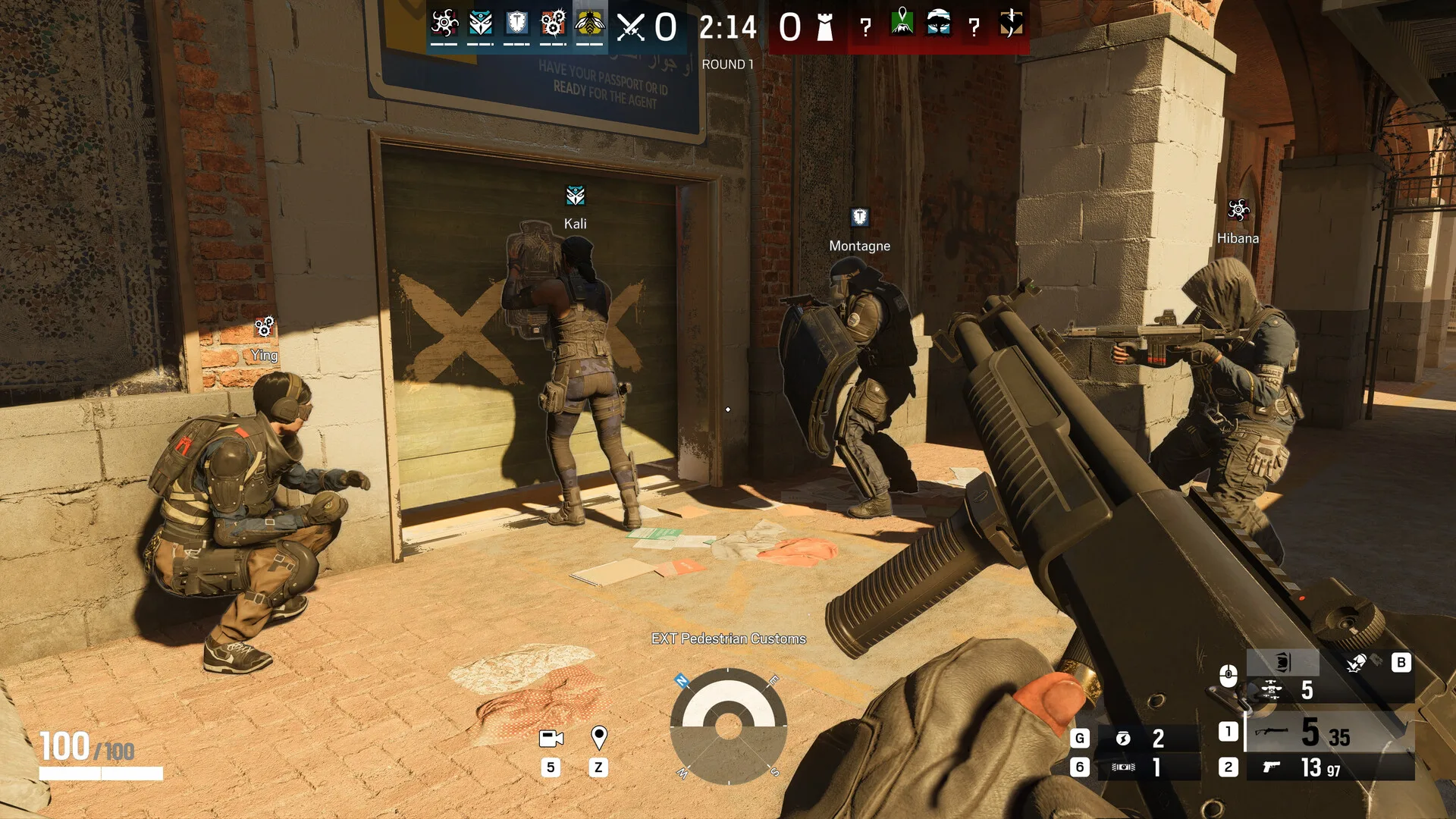
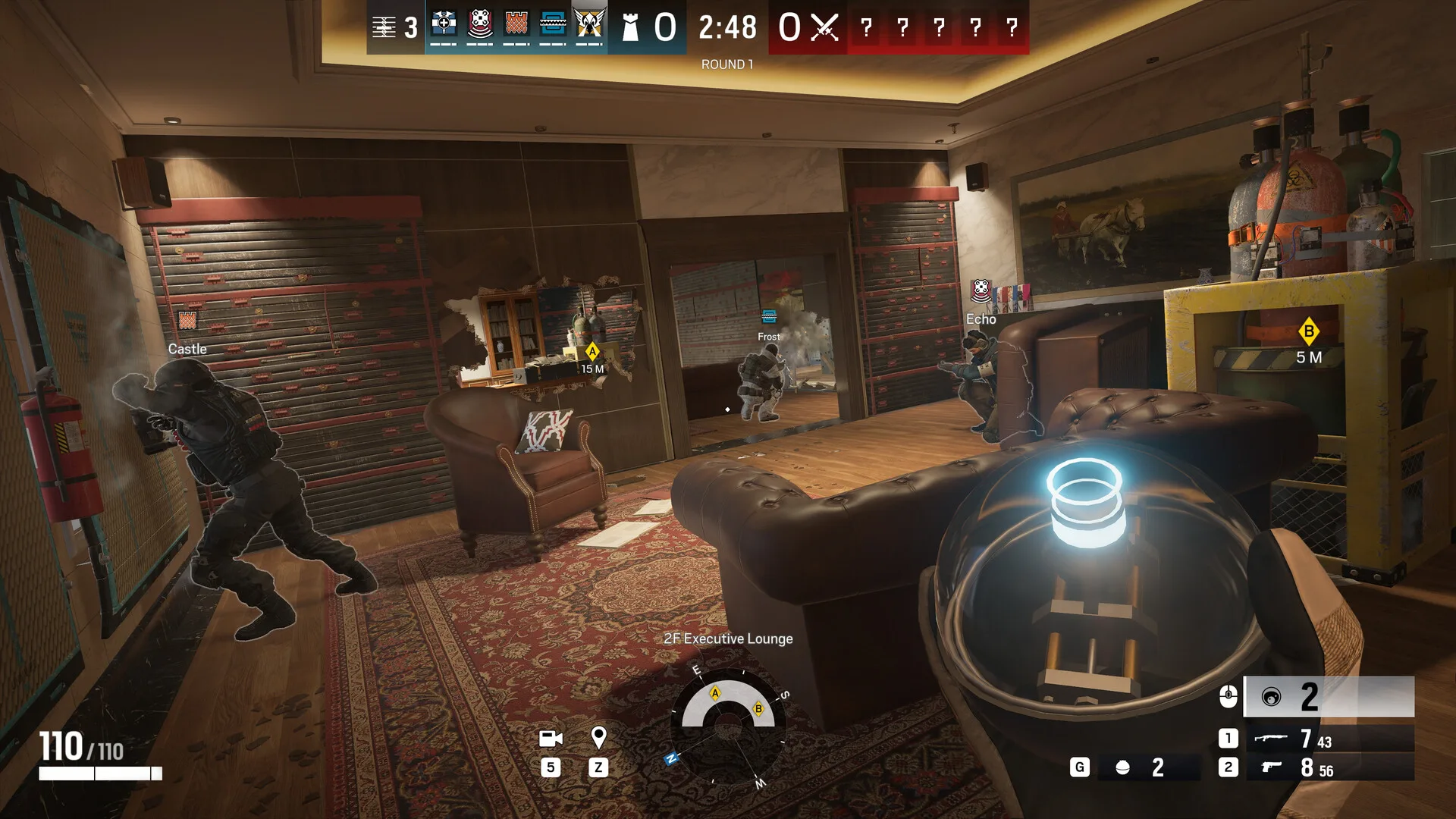
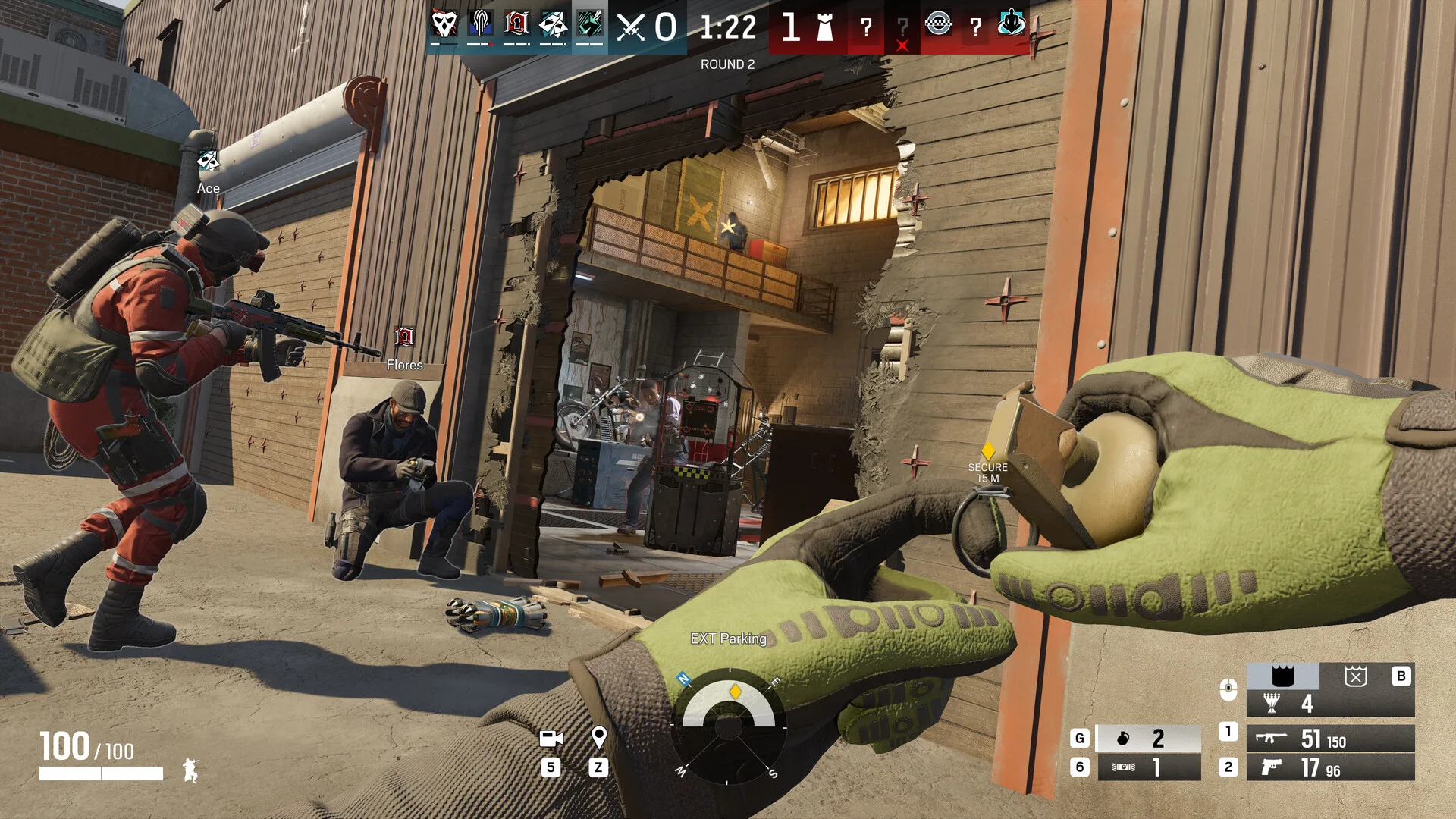
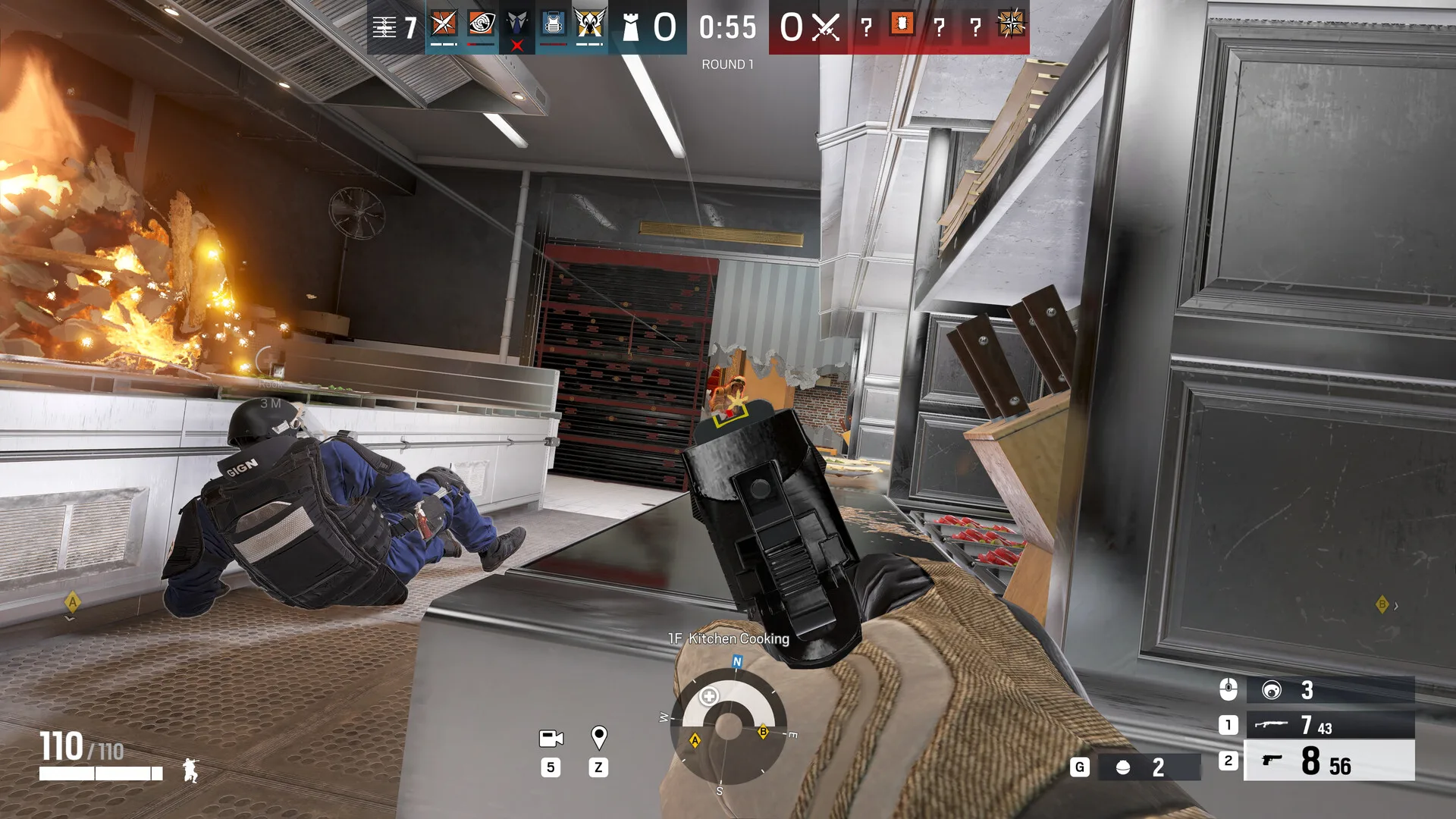
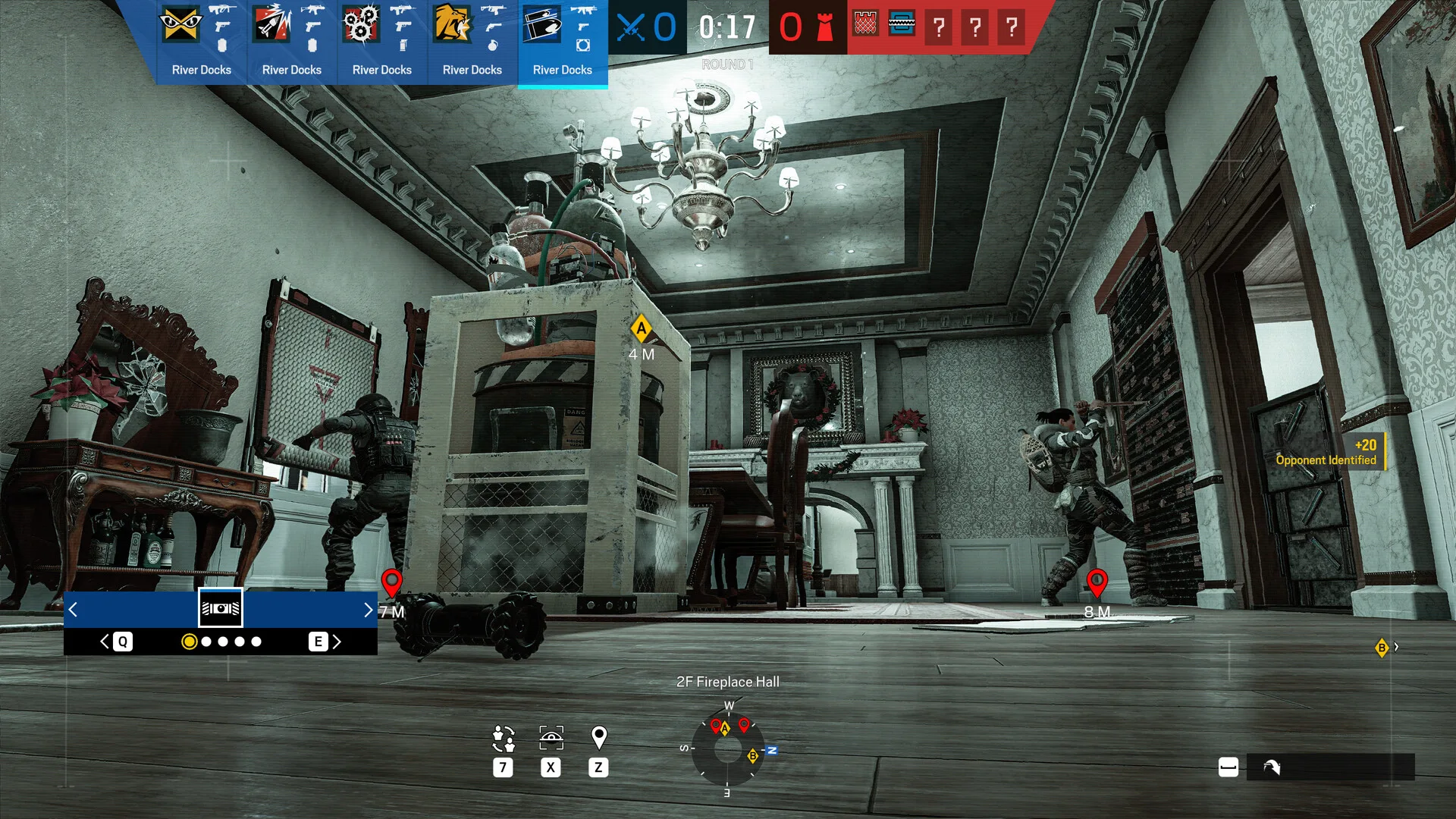
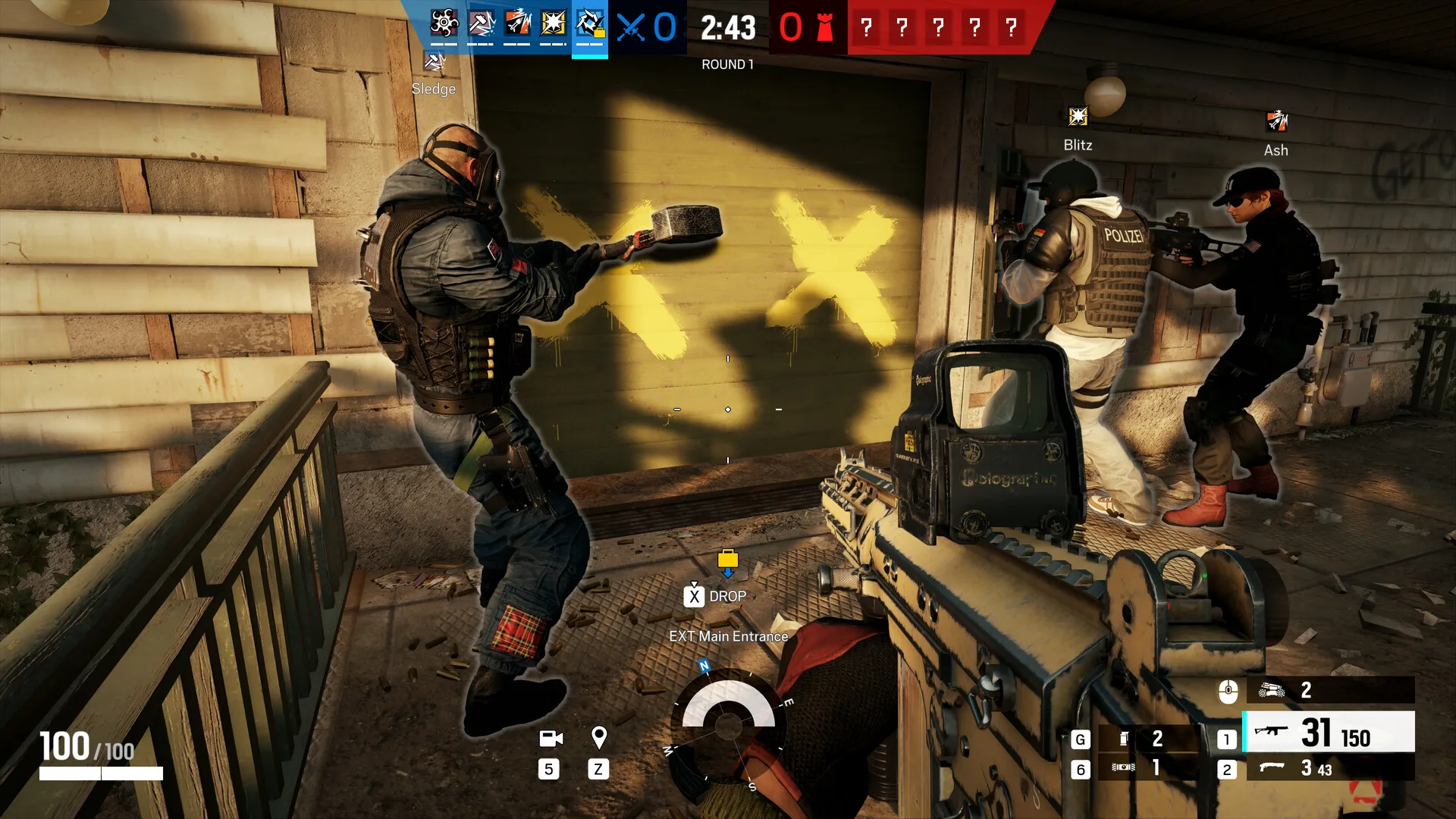
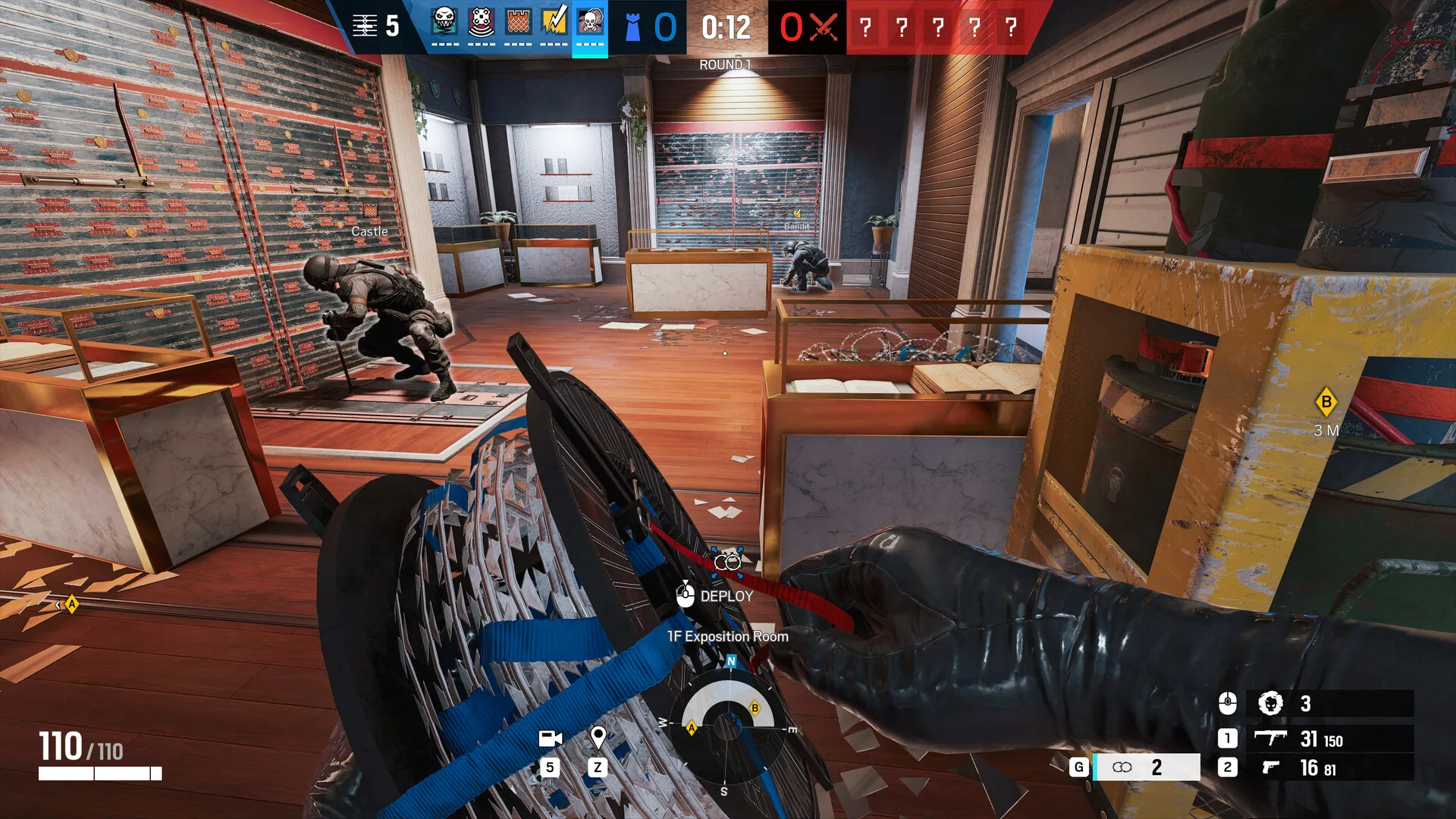
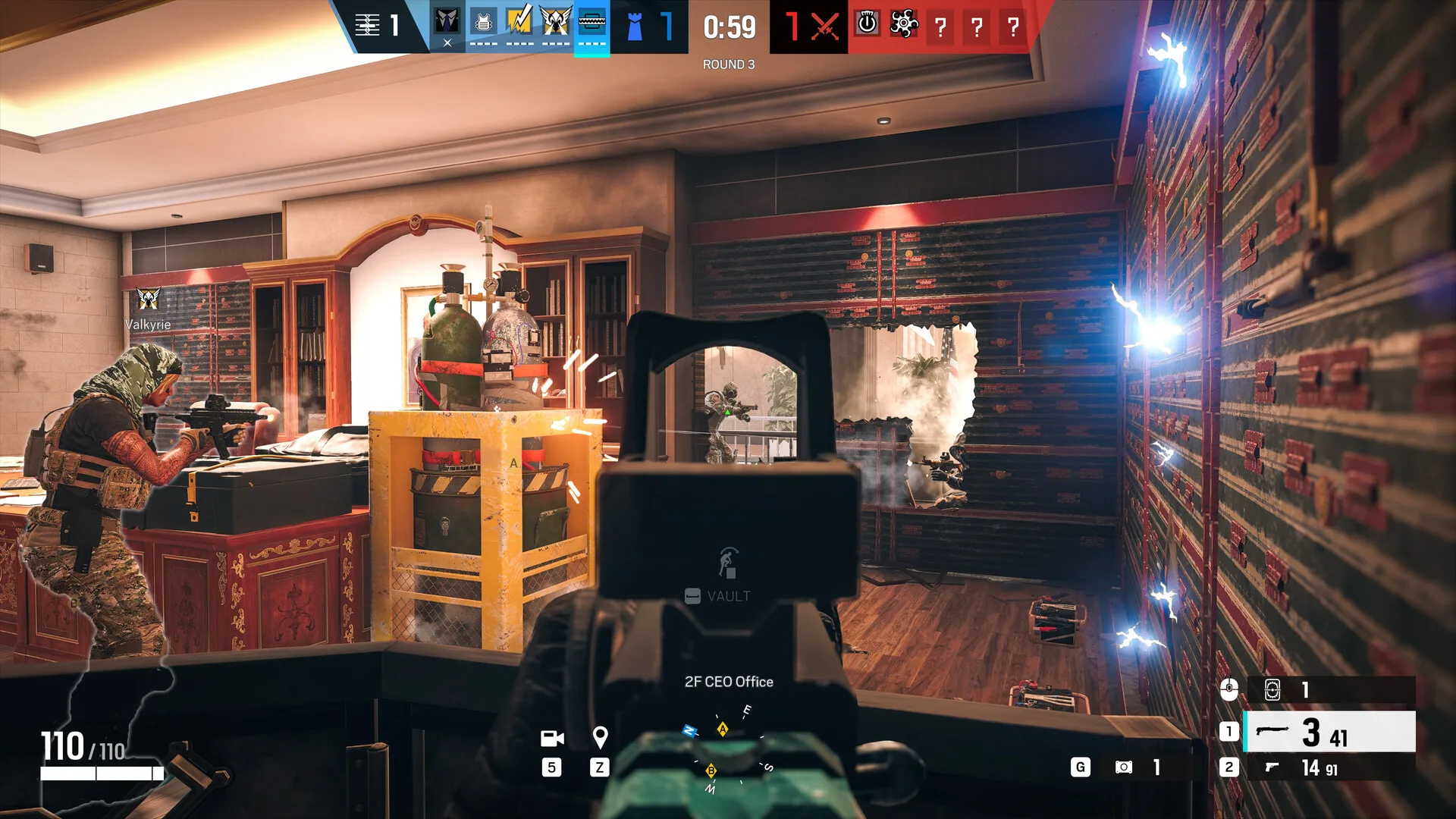
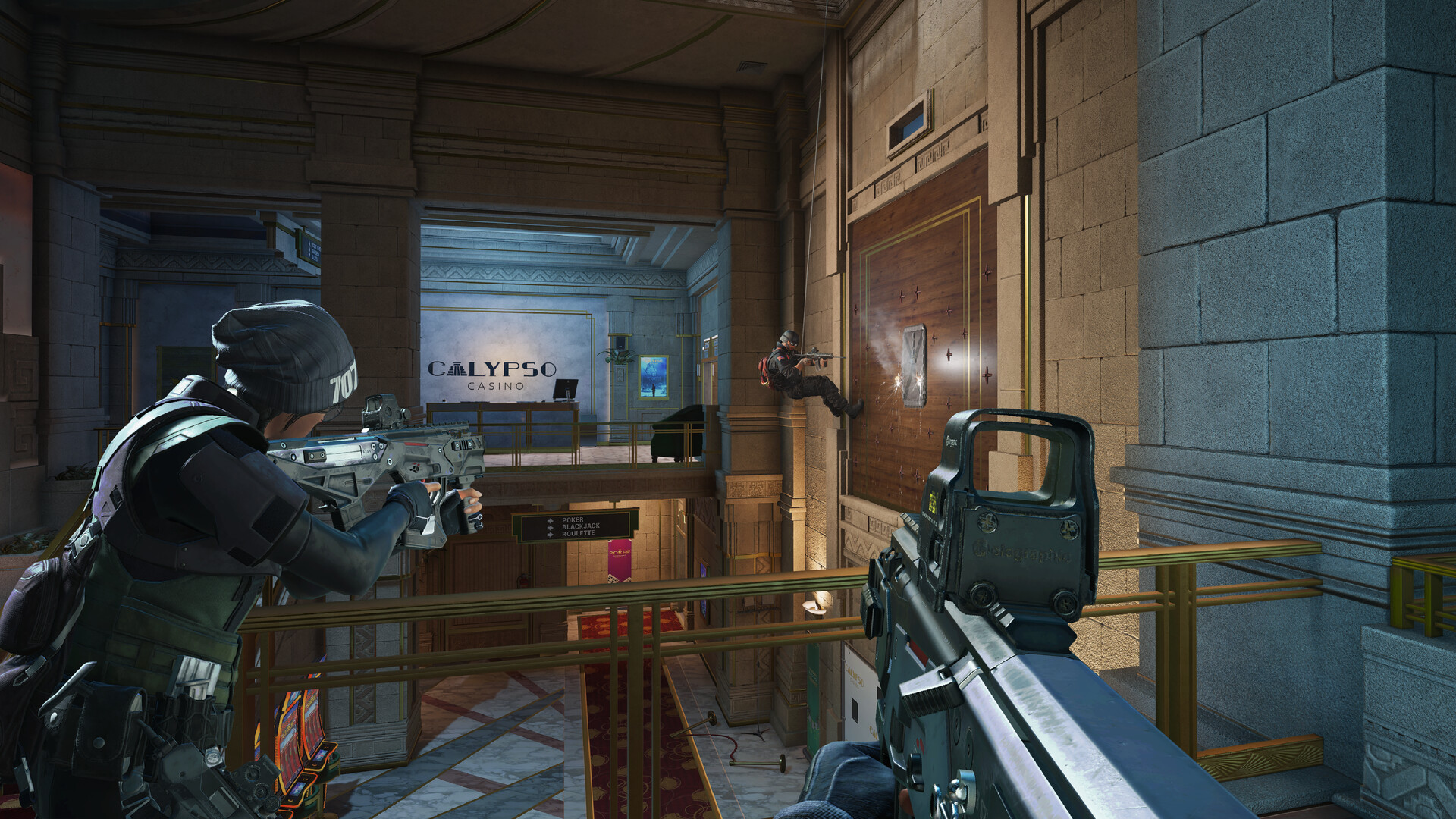
More screenshots and trailers live on the official Tom Clancy's Rainbow Six Siege site.
Activity
30,046
playing now
Updated every 15 minutes
Community
Official Discord
Talk directly with the Tom Clancy's Rainbow Six Siege community.
Join Official Discord ↗
PlayBound Discord
Chat with PlayBound players in #rainbow-six-siege.
Join #rainbow-six-siege ↗
Solved this in Discord? Post the fix here so the next player can find it.
,xPosition=0.3229166666666667,yPosition=0.46435185185185185)