Play Your Own Star Wars Saga
That One Thing
Force-leaping across an abyssal chasm as a Sith Warrior, interrupting an enemy orbital strike, and turning the tide of an eight-man raid boss fight.
Star Wars: Knights of the Old Republic is BioWare's landmark 2003 single-player RPG set roughly 4,000 years before the events of the original Star Wars films. With the Jedi Order devastated and Darth Malak's Sith forces spreading across the galaxy, you begin as an unknown survivor caught in the middle of the conflict. What follows is a sprawling adventure across multiple planets where your character's identity, morality, relationships, and ultimately their place in the galaxy are shaped by your decisions.
KOTOR combines traditional RPG character development with a party-based system and real-time combat with pause. You create and develop your protagonist, choosing skills, feats, equipment, and Force abilities as you progress. Eventually, you can wield more than 40 Force powers and construct your own lightsaber, giving you considerable freedom in how you approach combat.
But the party is arguably even more important than the protagonist.
Throughout the adventure, you recruit a memorable group of companions, including Jedi, soldiers, droids, Wookiees, and other characters with their own personalities, histories, motivations, and opinions about your decisions. They aren't simply stat blocks that follow you around. Your interactions with them gradually reveal their stories, and some of the game's most memorable moments happen when you're simply talking to your crew between adventures.
Your ship, the Ebon Hawk, becomes your home base as you travel between worlds. The adventure takes you through locations including Tatooine and Kashyyyk, with each planet offering its own characters, conflicts, environments, and storylines.
The defining mechanic, however, is the game's treatment of choice.
KOTOR doesn't merely ask whether you're a good person or a bad person. Your decisions gradually establish what kind of character you're becoming. You can embrace the Jedi ideals of compassion and restraint, pursue the darker temptations of the Force, or simply make decisions based on whatever seems right to you in the moment.
Those choices affect dialogue, character relationships, quests, and your character's development. The light-versus-dark system gives the entire adventure a persistent moral dimension, while the party system means your decisions can have consequences beyond your own character.
And then there is the story.
KOTOR is famous for one particular revelation, but reducing the game to its twist misses what makes it work. The twist lands because the game spends so much time establishing its characters, conflicts, mysteries, and sense of place beforehand. Even knowing what's coming doesn't completely erase the pleasure of watching the story unfold.
More than twenty years later, KOTOR remains one of BioWare's defining RPGs. The studio itself has described the game as one of the projects that defined BioWare for modern audiences, while noting how its storytelling, companions, moral conflict, Jedi fantasy, starship, and exploration of multiple worlds directly influenced Star Wars: The Old Republic.
We picked KOTOR because it proved that a Star Wars game could make us care about the people between the lightsaber fights. We remember the companions, the conversations, the strange planets, the decisions we made—and obviously the moment the game completely pulled the rug out from under us. It's a Star Wars game, but more importantly, it's a genuinely great BioWare RPG that happens to take place in that universe.
Great if you want
Look elsewhere if
Checking…
Minimum
64-bit Windows 10+, AMD Athlon 64 X2 4000+ / Core 2 Duo 2.0GHz, 6 GB RAM, 1 GB VRAM with Shader 3.0 (Intel HD 3000 / Radeon HD 7450 / GeForce 610 or better), 75 GB storage.
Recommended
See swtor.com for full specification.
Yes. Star Wars: The Old Republic is released under Free to Play and costs nothing to download or play. It meets PlayBound's 'genuinely free' criterion: no trial, no paywalled content, no pay-to-win purchases and no cosmetic treadmill.
About 75.0 GB. The minimum system requirements are 64-bit Windows 10+, AMD Athlon 64 X2 4000+ / Core 2 Duo 2.0GHz, 6 GB RAM, 1 GB VRAM with Shader 3.0 (Intel HD 3000 / Radeon HD 7450 / GeForce 610 or better), 75 GB storage..
Windows.
No account is required to download or play.
Yes. Star Wars: The Old Republic met PlayBound's "actively maintained" criterion when last checked on 2026-08-15 — it had a release or meaningful commit within the preceding twelve months.
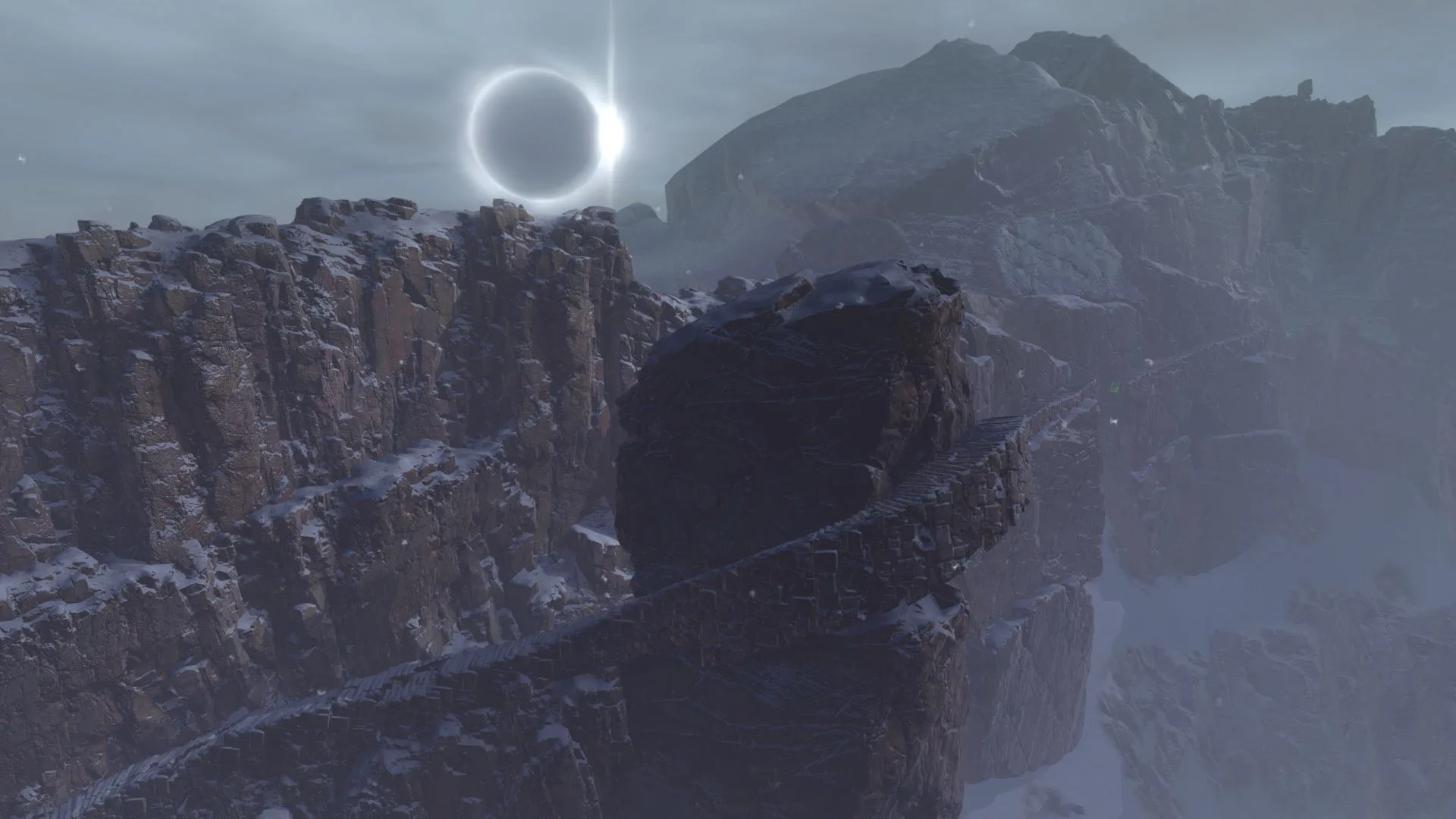
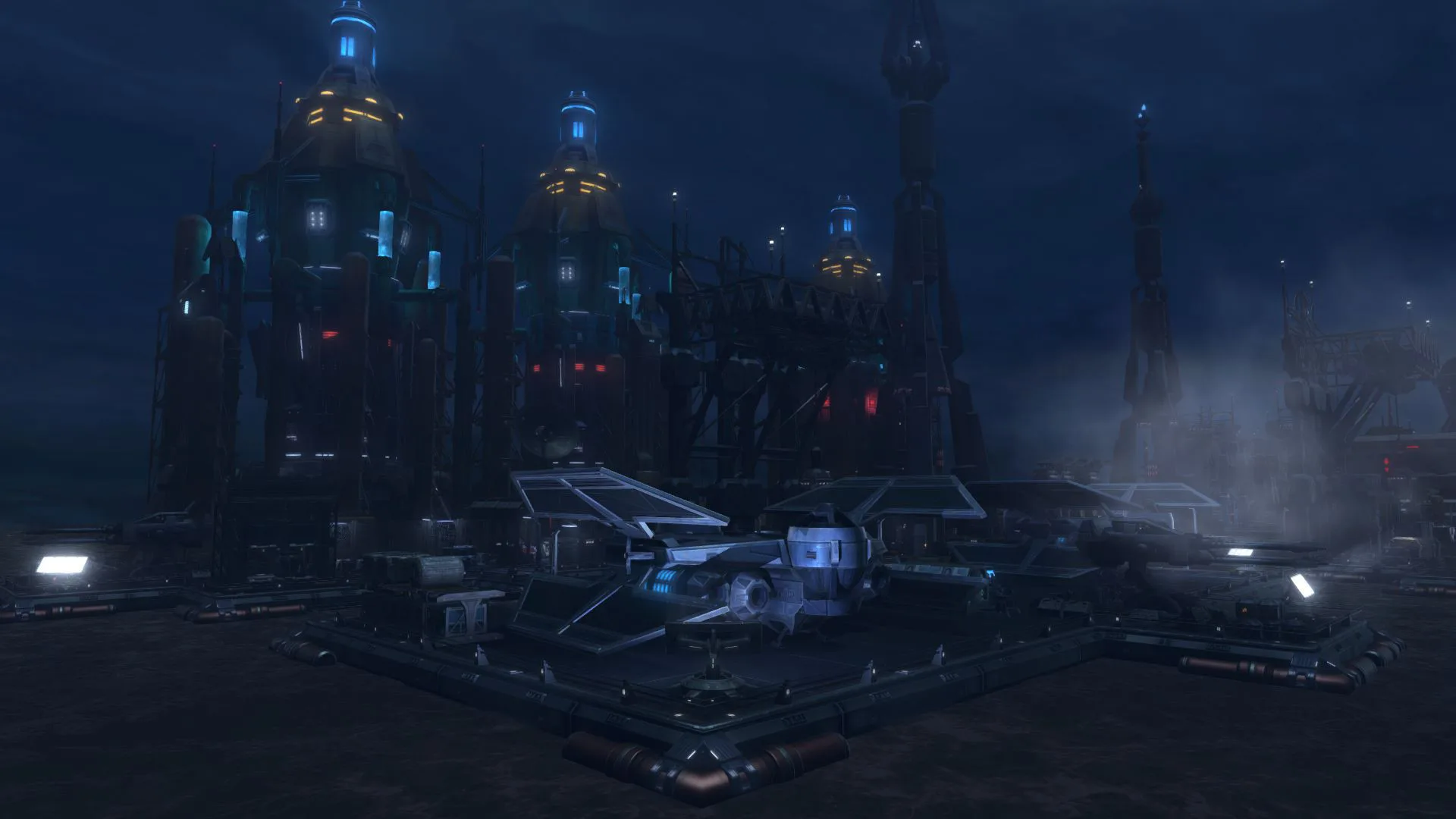
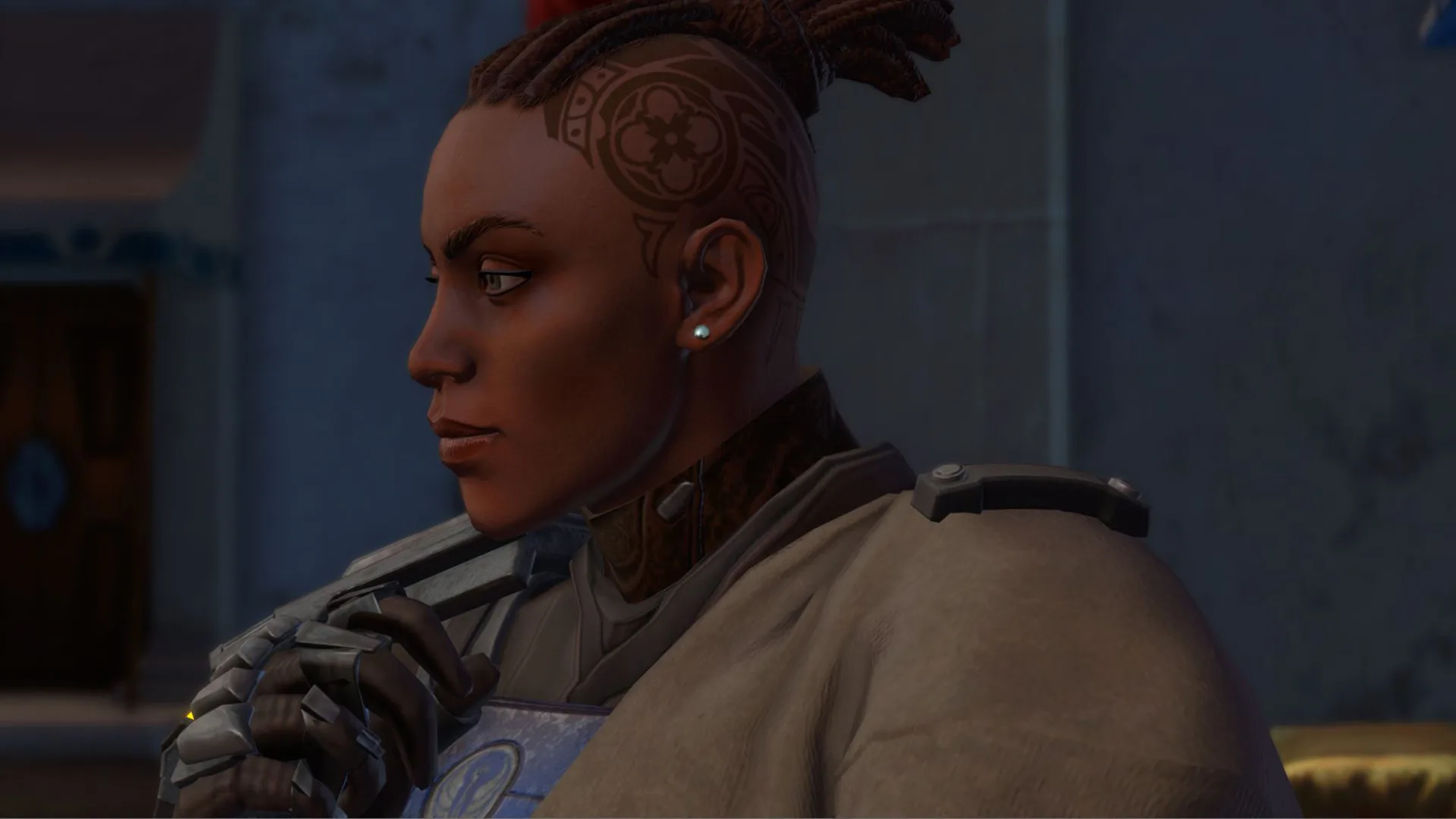
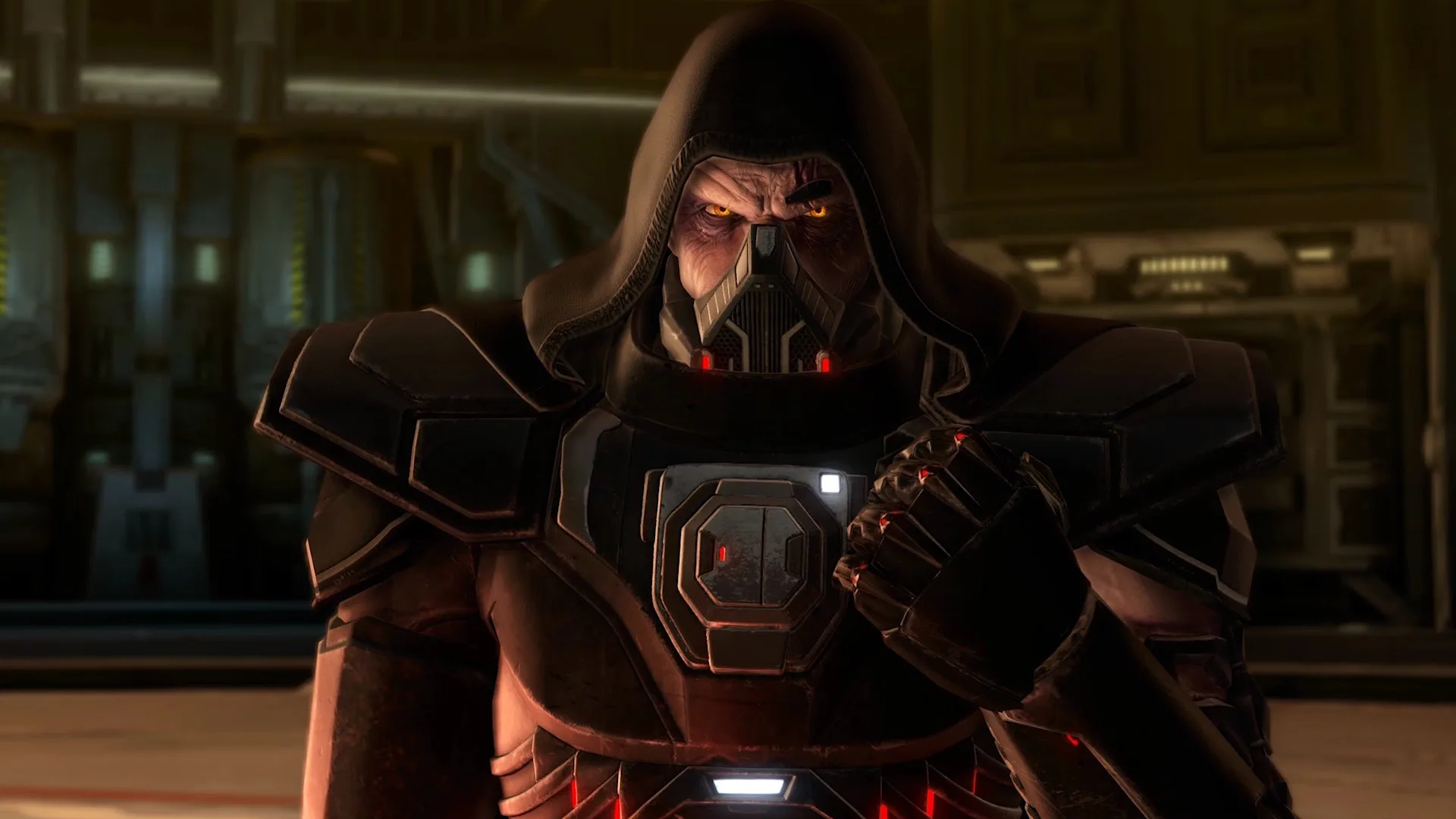
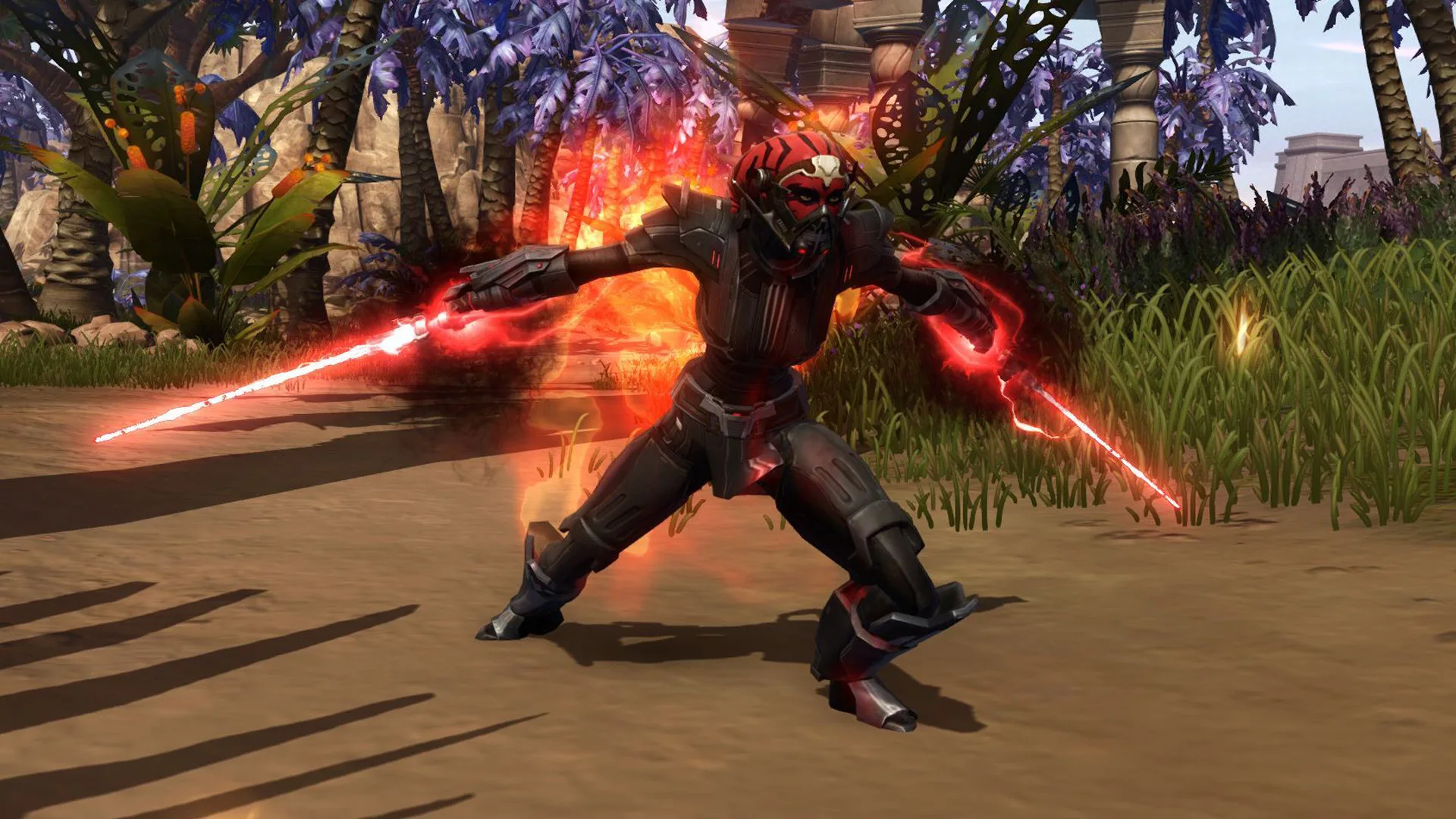
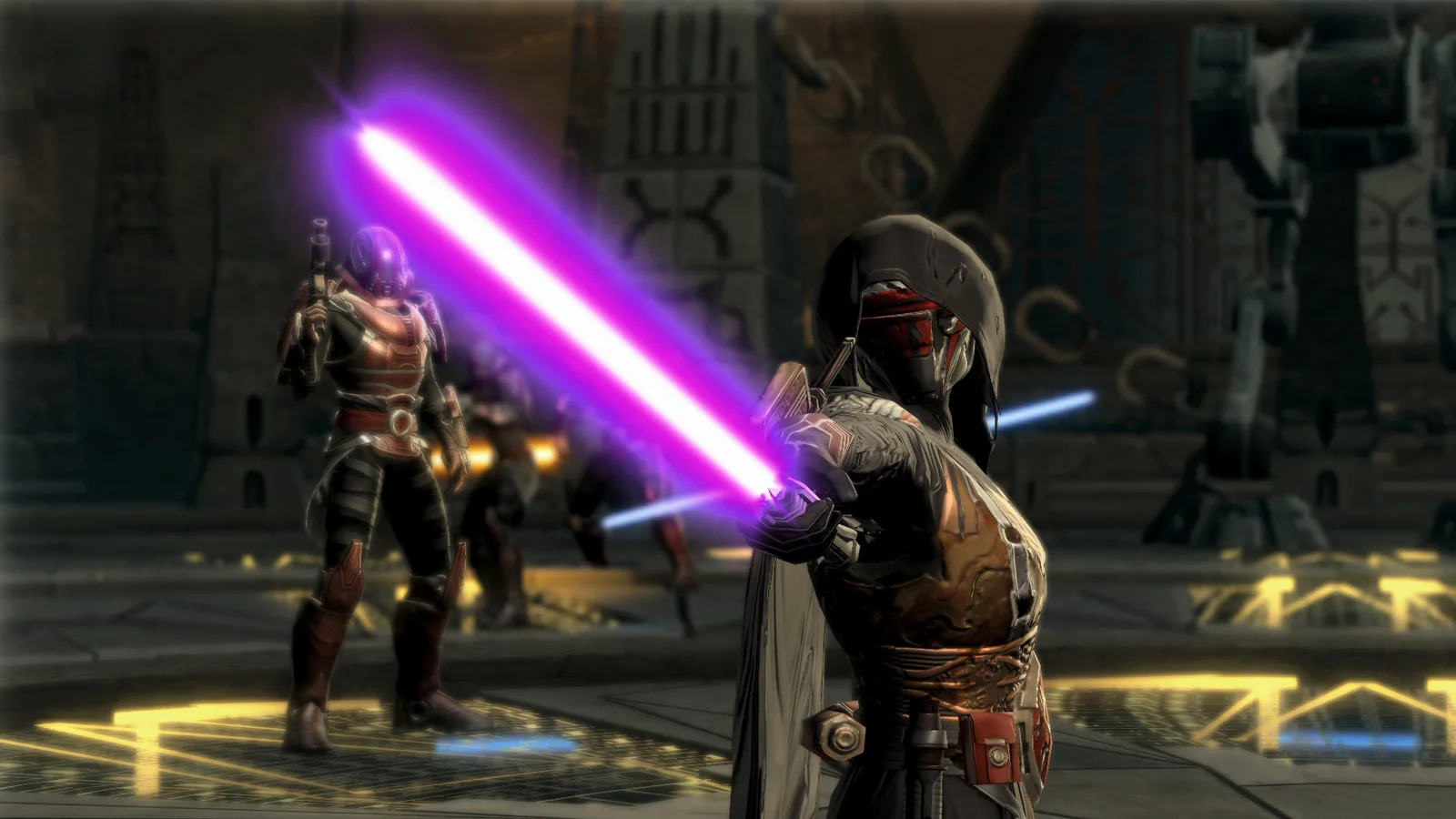
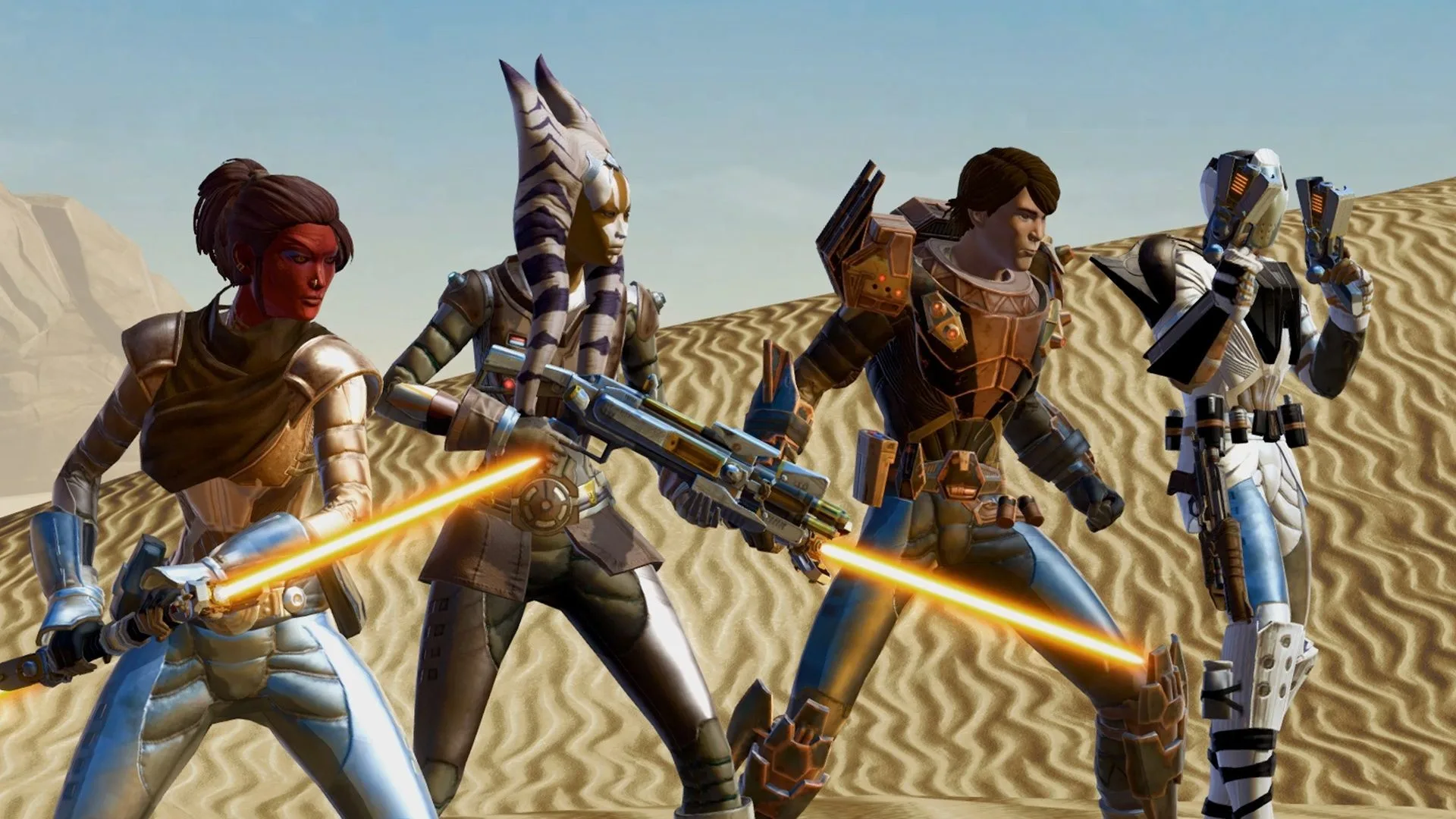
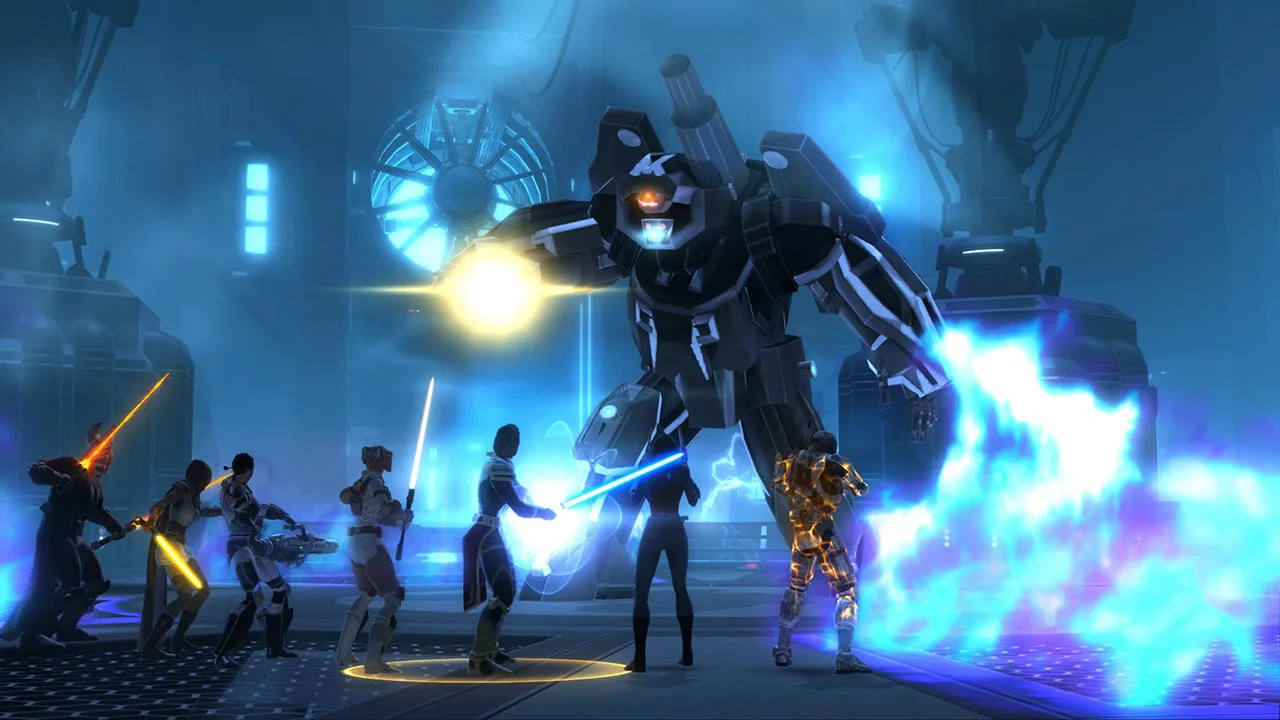
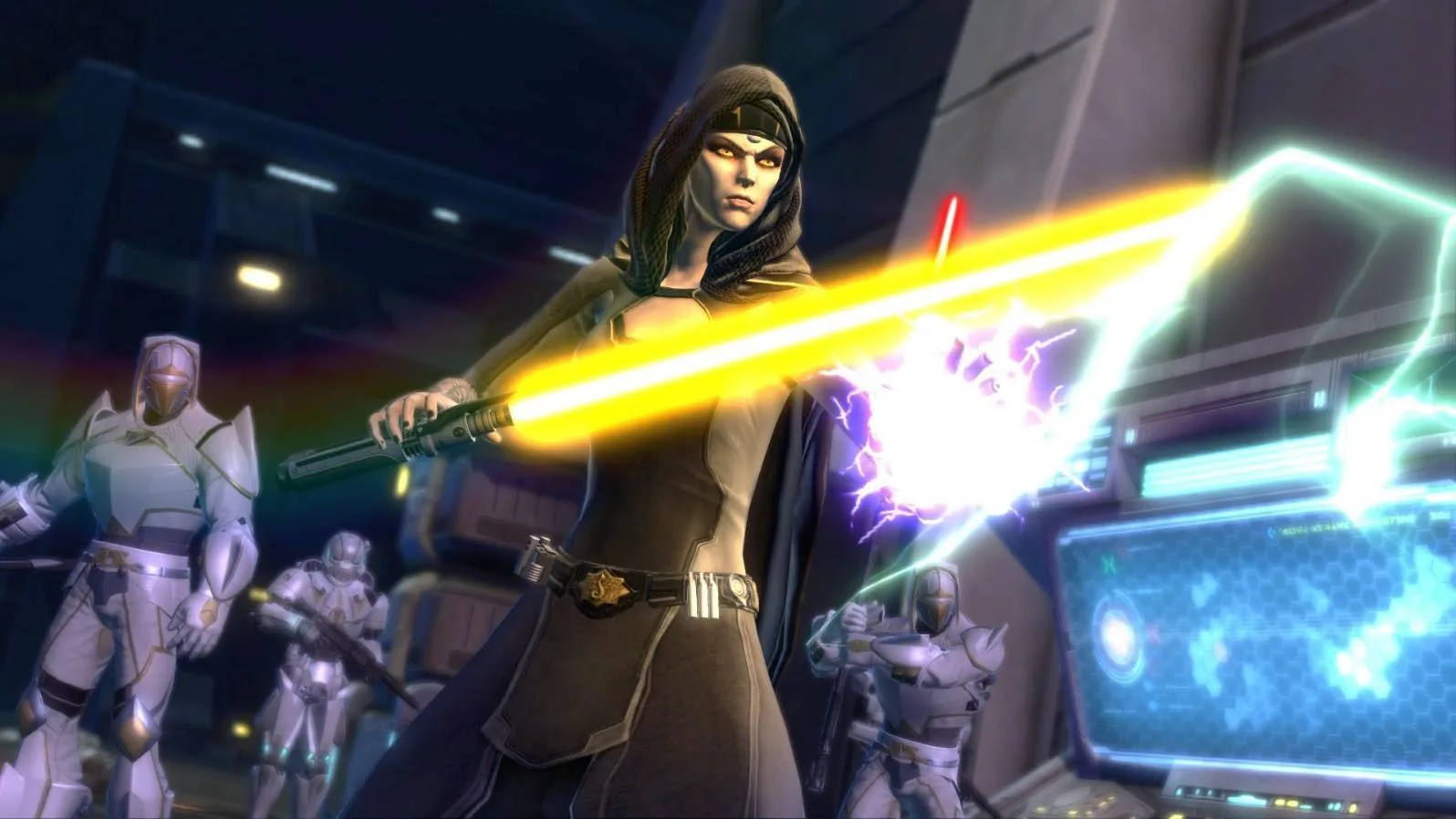
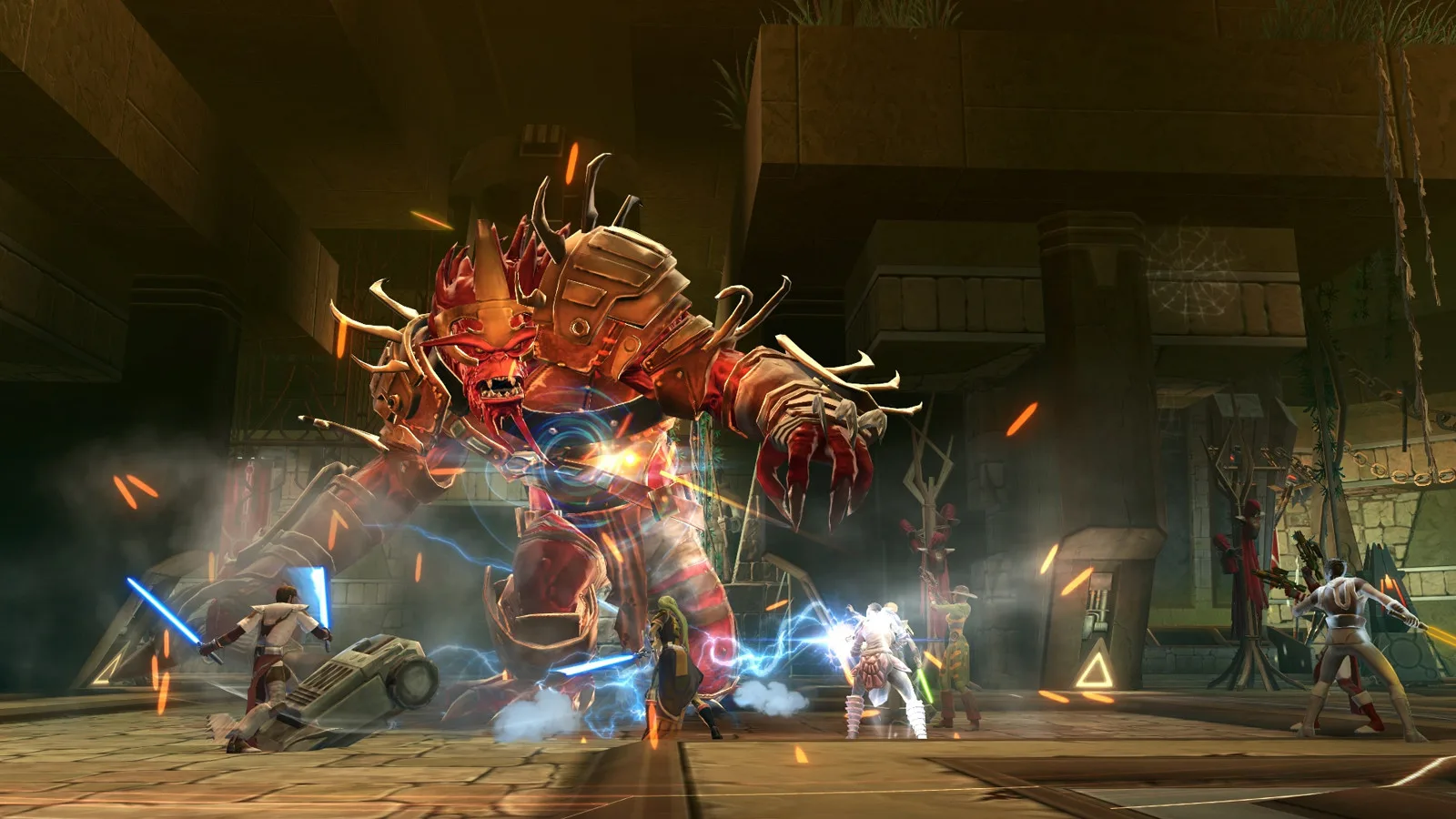
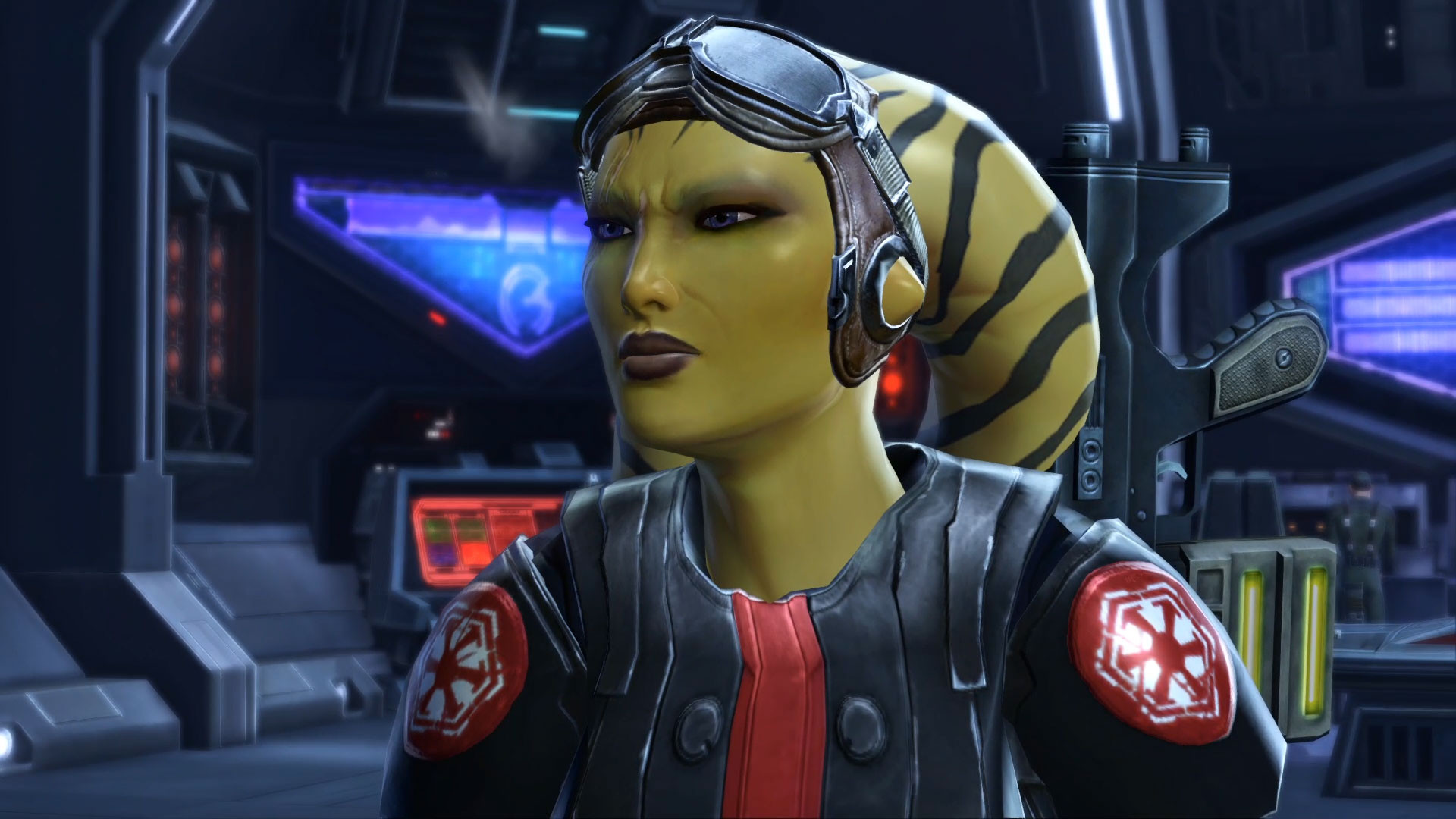
More screenshots and trailers live on the official Star Wars: The Old Republic site.
Activity
3,484
playing now
Updated every 15 minutes
Community
Official Discord
Talk directly with the Star Wars: The Old Republic community.
Join Official Discord ↗
PlayBound Discord
Chat with PlayBound players in #star-wars-the-old-republic.
Join #star-wars-the-old-republic ↗
Solved this in Discord? Post the fix here so the next player can find it.