
95 MB
Pick a fork, hold the gear, and let the radio do the rest.
That One Thing
The frustration you feel when you run into the back of the last car after expertly maneuvering through a sea of them is real
Out Run in 1986 was a machine you sat inside. It had a steering wheel with force feedback, a gear stick, a seat that leaned, and a radio you tuned with a button before the flag dropped so you could pick which of three songs carried you down the coast. What it did not have was a track: it had a tree. Each stage ended in a fork, and five stages of left-or-right choices meant fifteen destinations and no two runs alike. That structure, plus a Ferrari Testarossa and a checkpoint clock that only ever gives you a few more seconds, is the whole game.
This is a rebuild of it, in C++ and SFML, by Rubén Rodríguez. That distinction matters more than it sounds. There is no ROM here and no emulation layer — the sprite-scaling road renderer, the traffic behaviour, the collision model that shrugs you sideways off a palm tree instead of ending your run, the gear system, the radio: all reimplemented from the observable behaviour of the arcade original and the 1991 Mega Drive port. It runs as a 4.8 MB executable next to a Resources folder full of plain text map definitions, which is why the whole thing fits in under 100 MB and starts instantly.
What the remake adds is the interesting part. Automatic or manual transmission, chosen at a dedicated gear menu. Difficulty tiers and a separate traffic-density setting, so you can have the original's punishing clock with light traffic or the reverse. Several distinct AI behaviours for the cars you weave through. New maps that were never in any official version. And three modes: Original, which is the arcade run with its forks and its checkpoints; Continuous, which strings stages together without the branch; and Survival, which is exactly what it sounds like and is the mode that will eat your evening.
It is honest about what it is. The road is 2.5D — sprite scaling and horizon shifting, not polygons — so the corners bend rather than bank, and if you come from modern arcade racers the handling will feel light before it feels good. Give it three runs. The trick, as in 1986, is that braking is almost never the answer: you lift, you steer through the apex, and you take the hit on a tree if the clock is tight.
There is a real catch to note: development stopped after version 5.0 in June 2023. The project is finished rather than abandoned — it is complete, it runs, and nothing is broken — but nobody is fixing bugs any more, and the GPL-3.0 source is the only recourse if you find one.
PlayBound lists it because it is the best kind of fan project: not a ROM in a wrapper, but someone rebuilding a 40-year-old machine's behaviour in source you can read, and then making it more game than the original was.
Because it's 80's racing personified. The graphics, the music, the controls. It's everything you want in a fun, simple racing package. If you can beat this game, you'll be Tom Cruise in Cocktail.
Great if you want
Look elsewhere if
Checking…
Minimum
Windows 7 64-bit or Linux · 1.5 GHz CPU · 1 GB RAM · OpenGL 2.1 GPU · 150 MB storage
Recommended
Any modern PC · 2 GB RAM · dedicated GPU for 1080p+ at a locked frame rate
Neither. It is an original C++ and SFML program that reimplements the game's behaviour — the pseudo-3D road, traffic, forks, gears and radio — from scratch. There is no arcade ROM in the download and nothing to emulate. The source is GPL-3.0 on GitHub.
No. It is keyboard-only. We searched every source and documentation file in the repository for joystick, gamepad, XInput and DirectInput and found nothing, and the shipped settings file binds only keyboard keys. The README's mention of customisable controls means key remapping.
Original is the arcade run: five stages, each ending in a left-or-right fork, with a checkpoint clock. Continuous strings stages together without branching. Survival drops you into an endurance run. Difficulty and traffic density are separate settings, so you can tune the challenge independently.
Yes to both. The game is free and the source is licensed GPL-3.0. Because it contains no SEGA code or ROM data, it is a clean-room fan remake rather than a redistribution.
Version 5.0, the latest release, published 7 June 2023. Earlier 4.0 builds are still on GitHub; PlayBound pins 5.0 for both Windows and Linux because the two platforms are published under separate release tags.
No. The last release was 5.0 in June 2023 and the repository has had no commits since. It is a finished game rather than a broken one — everything works — but nobody is shipping fixes, so treat the GPL-3.0 source as your recourse if you hit a bug.
Yes, there is an official Linux x64 build. It links against system SFML, so install libsfml-dev (or your distribution's equivalent) before running it.


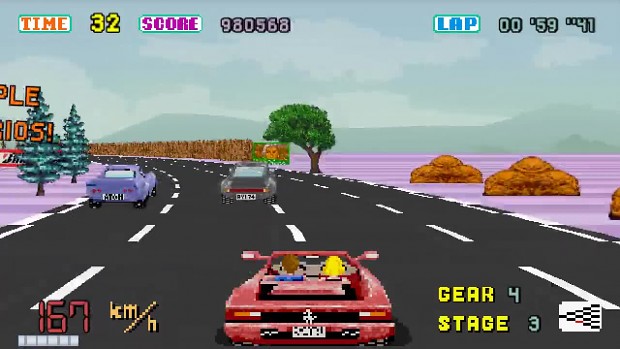
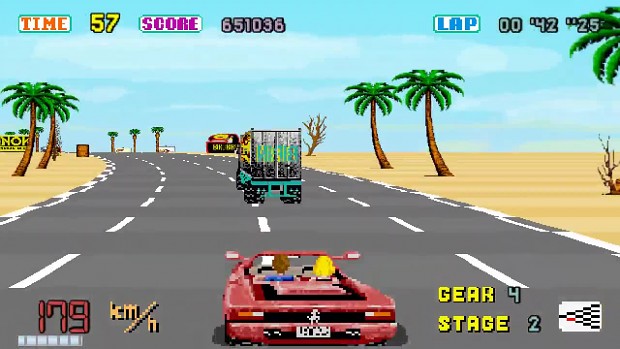
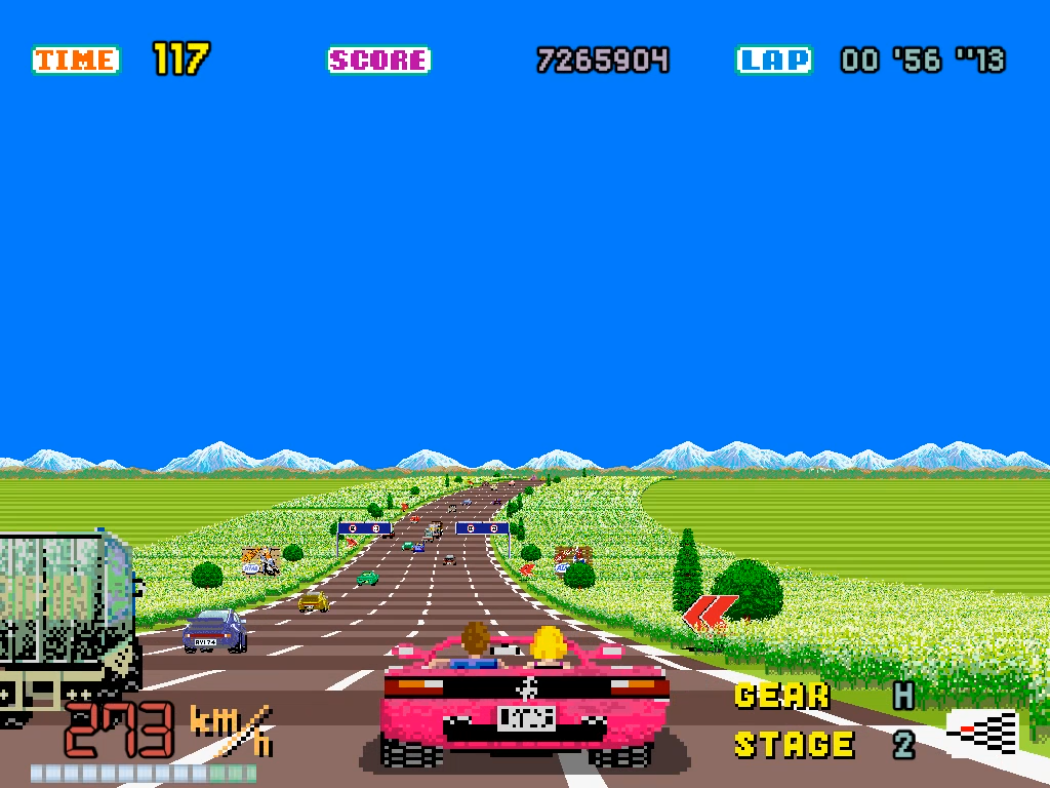
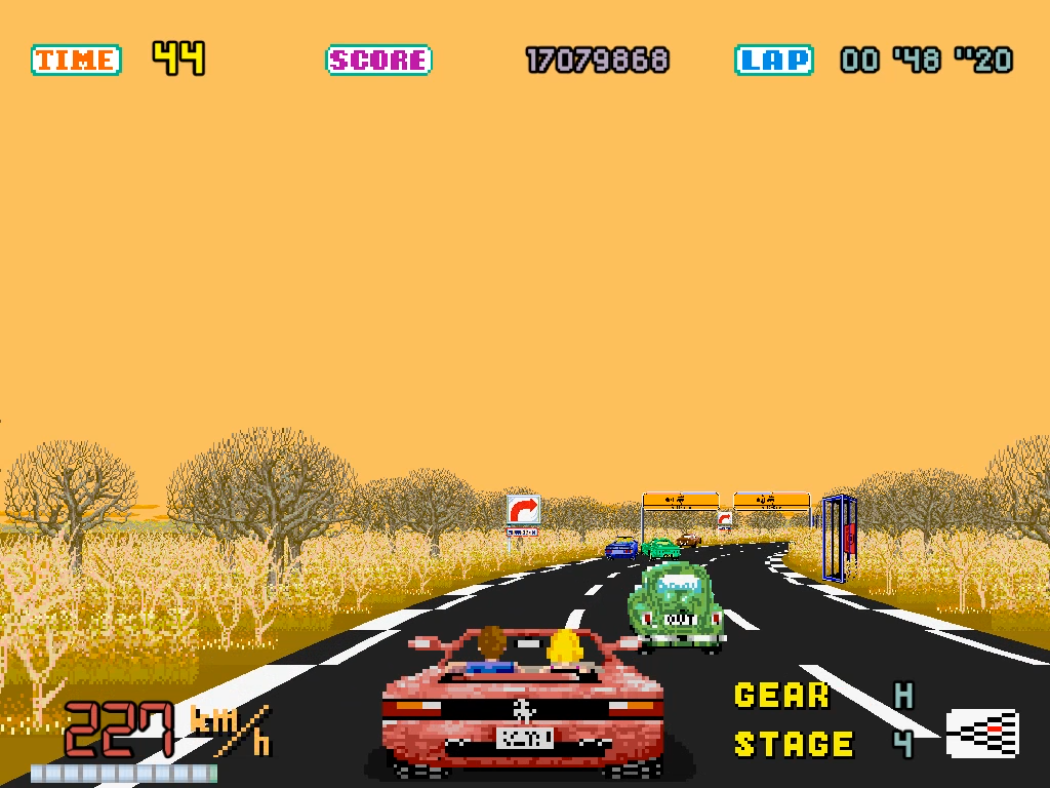
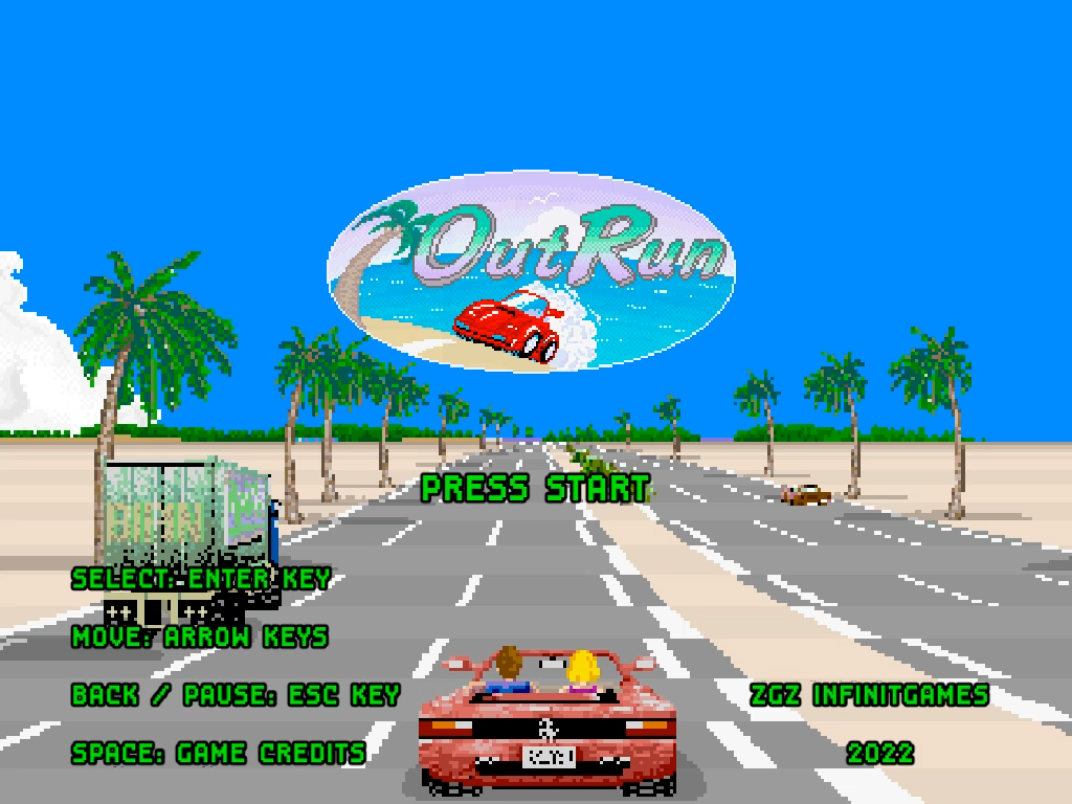
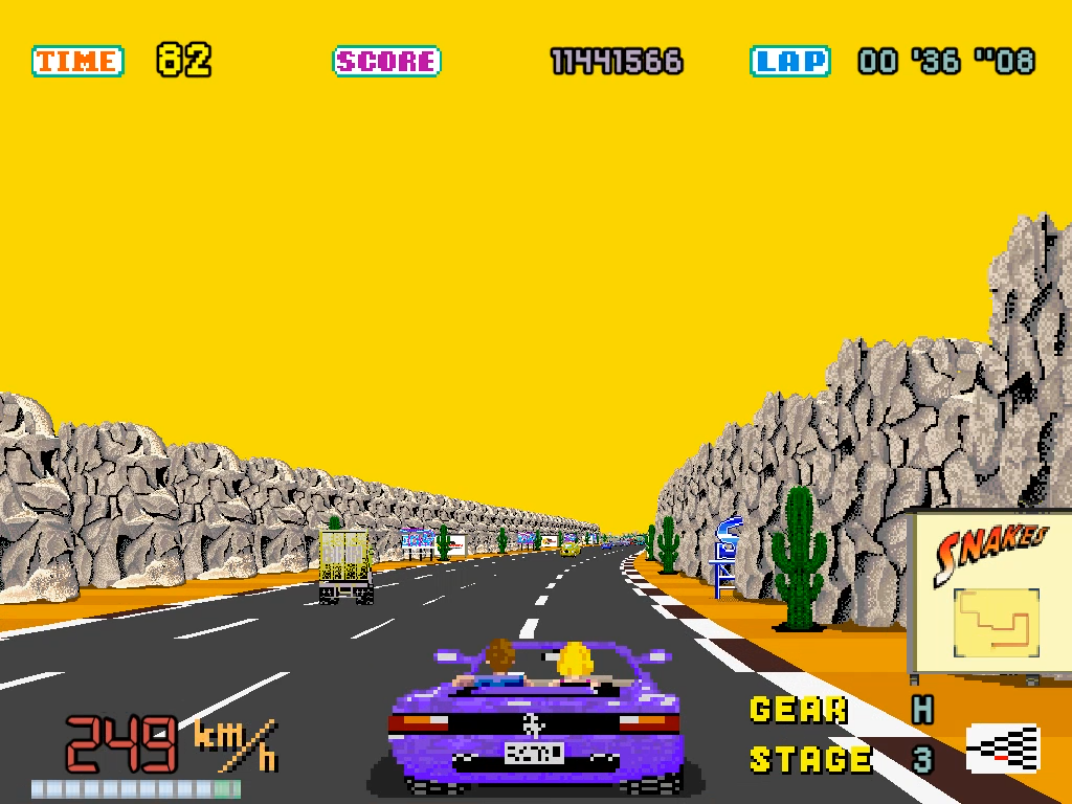
More screenshots and trailers live on the official OutRun site.
Activity
0
playing now
Top Players
Updated every 15 minutes
Community
Official Discord
No verified official Discord has been submitted.
Developers can contact PlayBound to verify an official community link.
PlayBound Discord
Chat with PlayBound players in #outrun.
Join #outrun ↗
Solved this in Discord? Post the fix here so the next player can find it.